The Relationship Paradigm.
A framework for understanding what makes relationships work.
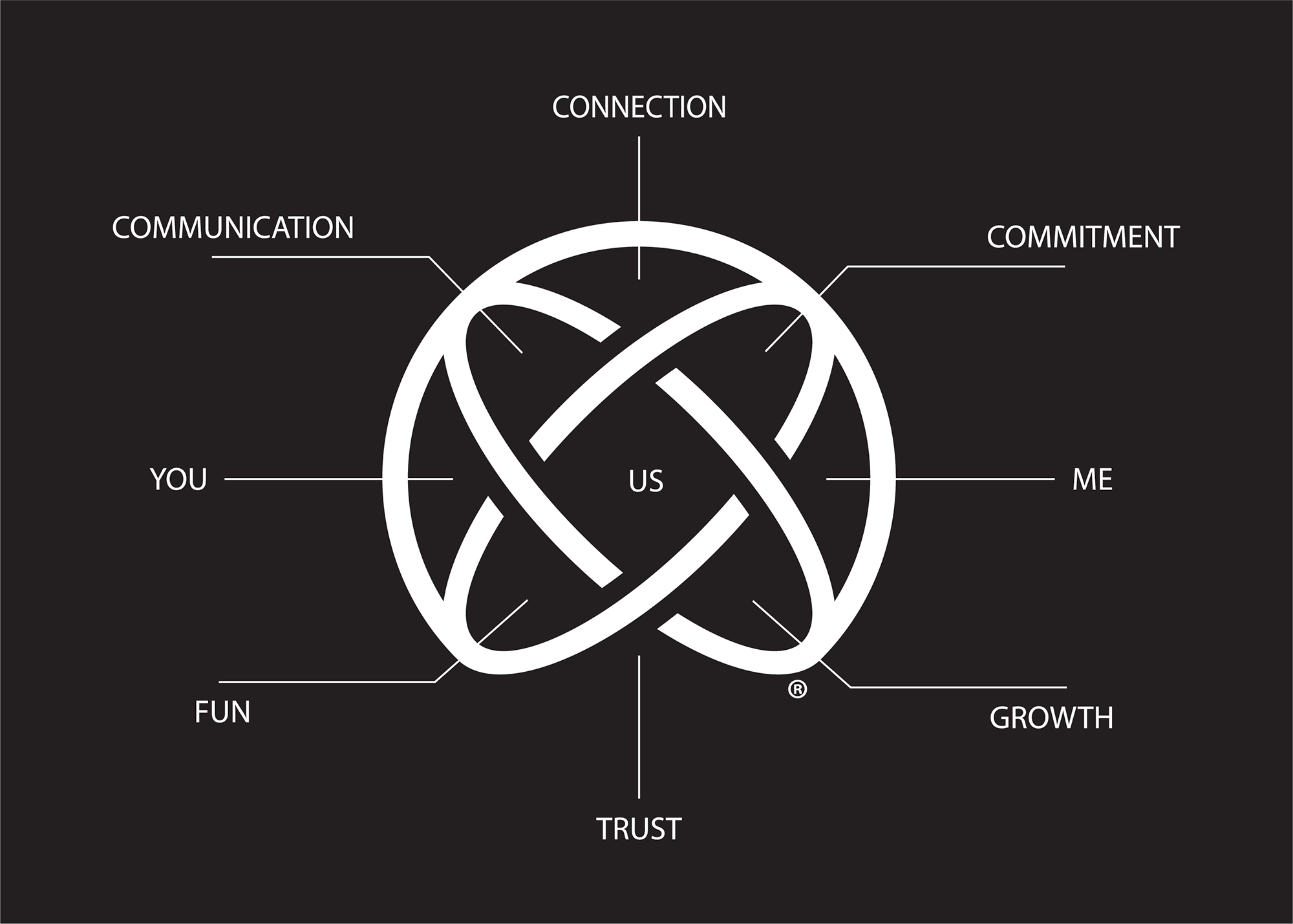
The Relationship Paradigm is a comprehensive model built on six dimensions of healthy connection.
Whether you’re working on your own relationship or helping others with theirs, it provides a clear map for understanding where you are and where you want to be.
Why a Framework?
The Relationship Paradigm gives you a language and a structure. It breaks down the elements that make relationships thrive into six clear dimensions. When you can see which areas are strong and which need attention, you can focus your energy where it matters most.
This isn’t about perfection – no relationship scores highly on every dimension all the time. It’s about awareness, intention, and knowing what to work on.
Origins of the Framework
The Relationship Paradigm emerged from fifteen years of clinical practice with couples, combined with academic research culminating in a doctorate in the Phenomenology of Relationships from Middlesex University.
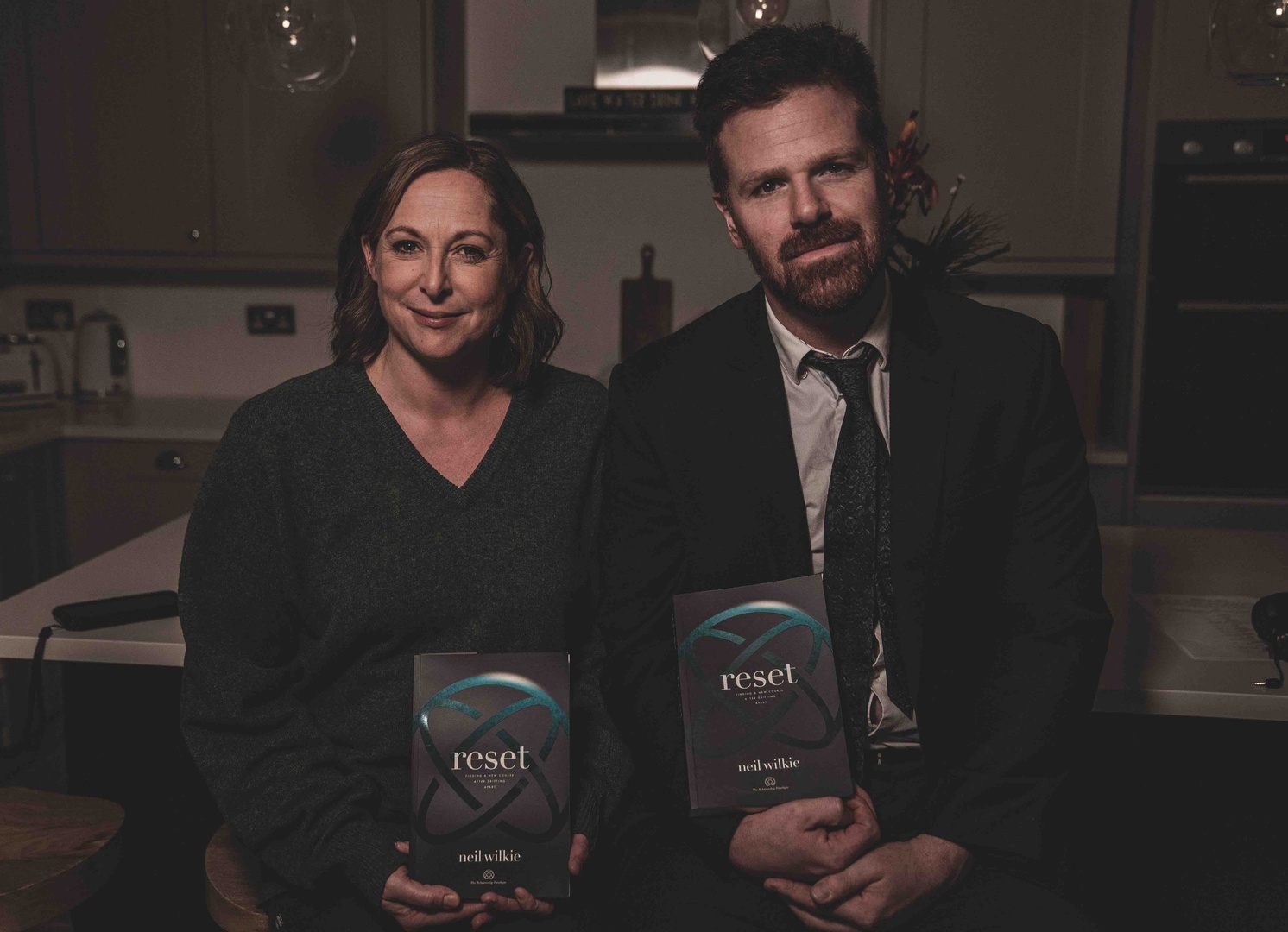
It draws on established therapeutic approaches while offering something new: a practical, accessible framework that works both as a diagnostic tool and a roadmap for change. The forthcoming book “The Relationship Paradigm” (Routledge, 2026) explores the model in full depth.
The Six Dimensions
1. Communication
How well do you truly hear each other?
Communication isn’t just talking – it’s being heard and understood. It’s the ability to express what you need, to listen without defending, to navigate difficult conversations without destruction. Strong communication means both partners feel safe to speak their truth and confident they’ll be received with care.
Both partners have someone who truly hears their perspective. The co-therapy model means richer observation, more nuanced feedback, and balanced support for each of you.
2. Connection
Do you feel truly close to each other?
Connection is the emotional bond that makes you feel like partners rather than housemates. It’s intimacy, affection, and the sense that you genuinely know each other. When connection is strong, you feel seen, valued, and close – even during busy or difficult times.
3. Commitment
Are you both truly in this together?
Commitment is the foundation everything else builds on. It’s the mutual decision to prioritise the relationship, to weather storms together, to choose each other again and again. Without shared commitment, other efforts struggle to take root.
4. Fun
Do you still enjoy being together?
Fun is often the first thing to fade when relationships come under pressure – and its absence is felt deeply. Playfulness, laughter, shared adventures, and simple enjoyment of each other’s company are the lifeblood of lasting love. When was the last time you really laughed together?
5. Growth
Are you helping each other become your best selves?
Healthy relationships support both partners to develop, learn, and flourish – individually and together. Growth means encouraging each other’s dreams, being open to change, and evolving as a couple. Stagnant relationships breed resentment; growing relationships generate energy.
6. Trust

How the Relationship Paradigm Is Used
For Couples
The Relationship Paradigm provides a shared language for discussing your relationship. You can assess where you’re strong, identify where you’re struggling, and focus your efforts on the dimensions that will make the biggest difference. It turns vague dissatisfaction into actionable insight.
For Therapists & Coaches
The framework gives practitioners a structured approach to assessment and intervention. It helps you identify patterns quickly, communicate clearly with clients about what you’re observing, and create focused treatment plans. It’s the foundation of the Duo Coaching approach.
For Organisations
The same dimensions that make personal relationships thrive apply to professional ones. The Relationship Paradigm helps teams and leaders understand the dynamics of trust, communication, and collaboration in the workplace
Explore More
Visit the Relationship Paradigm website to explore the framework in more depth, take the assessment, and access resources for understanding and strengthening your relationships.

Let us explore how we can help you
have better relationships
Book a Zoom Call
Click here for access to my availability for an exploratory Zoom call. We can explore how we can help you have a better relationship.
Book a Phone Call
Click here for access to my availability for an exploratory Phone call. We can explore how we can help you have a better relationship.